Minimally invasive spine surgery (MISS) is a modern surgical approach that uses small incisions and advanced imaging tools to treat spinal conditions such as herniated discs, spinal stenosis, and degenerative disc disease. At Restorative Spine Center of NY, our surgeons perform minimally invasive spine surgery in Long Island with precision to reduce trauma to the surrounding tissues, limit blood loss, and speed up recovery. Unlike traditional open surgery, MISS often allows you to return home the same day and resume normal activities in days rather than weeks.
SMALLER INCISIONS. LESS TRAUMA. FASTER HEALING.
A Modern Approach to Spine Surgery

Experience relief from complex spine conditions with minimally invasive spine surgery at Restorative Spine Center of NY. Led by a team of board-certified spine surgeons, Dr. Daniel Choi, Dr. Toombs, and Dr. Ledesma, we specialize in advanced surgical techniques to treat back pain, herniated discs, scoliosis, spinal stenosis, and more, helping you regain mobility with minimal downtime.
CONDITIONS WE TREAT
Is Minimally Invasive Spine Surgery Right for You?
Minimally invasive spine surgery addresses a wide range of spinal conditions by targeting the source of pain with smaller incisions and less disruption to healthy tissues. Our surgeons use these techniques to relieve nerve pressure, stabilize the spine, and preserve natural motion whenever possible. By reducing surgical trauma, this approach allows you to heal faster and regain function with greater comfort.
Common conditions treated with minimally invasive spine surgery include:
- Back pain
- Complex spine disorders
- Degenerative disc disease
- Herniated disc
- Neck pain
- Sciatica
- Scoliosis
- Spinal fractures
- Spinal stenosis
ADVANCED SURGICAL TECHNIQUES FOR PRECISION SPINE CARE
Minimally Invasive Spine Surgery Procedures
Our surgeons take a personalized approach to minimally invasive spine surgery. We carefully evaluate your condition, imaging results, and lifestyle goals before recommending the right procedure. Our approach focuses on motion preservation, faster recovery, and durable results, ensuring you receive world-class care with minimal downtime.
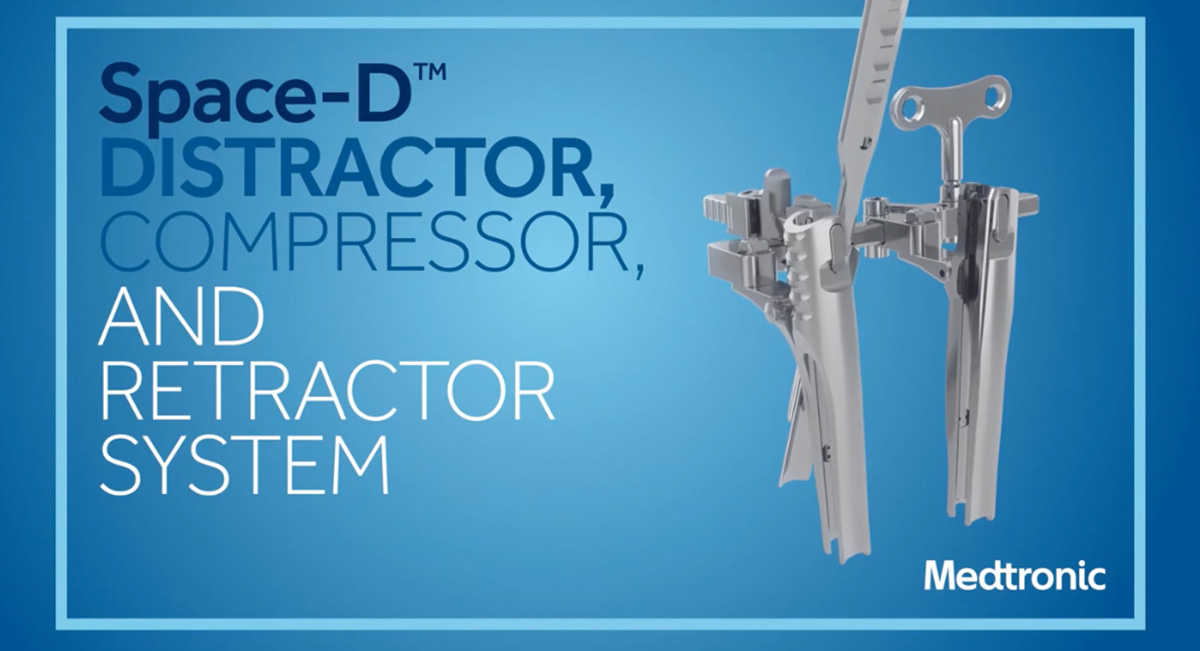
MIS-TLIF
Minimally invasive transforaminal lumbar interbody fusion (MIS-TLIF) treats conditions like spondylolisthesis and degenerative disc disease. Through small incisions, our surgeons access the spine, remove damaged disc material, and place a cage with bone graft. This stabilizes your spine while reducing pain and recovery time compared to traditional fusion surgery.
Read More
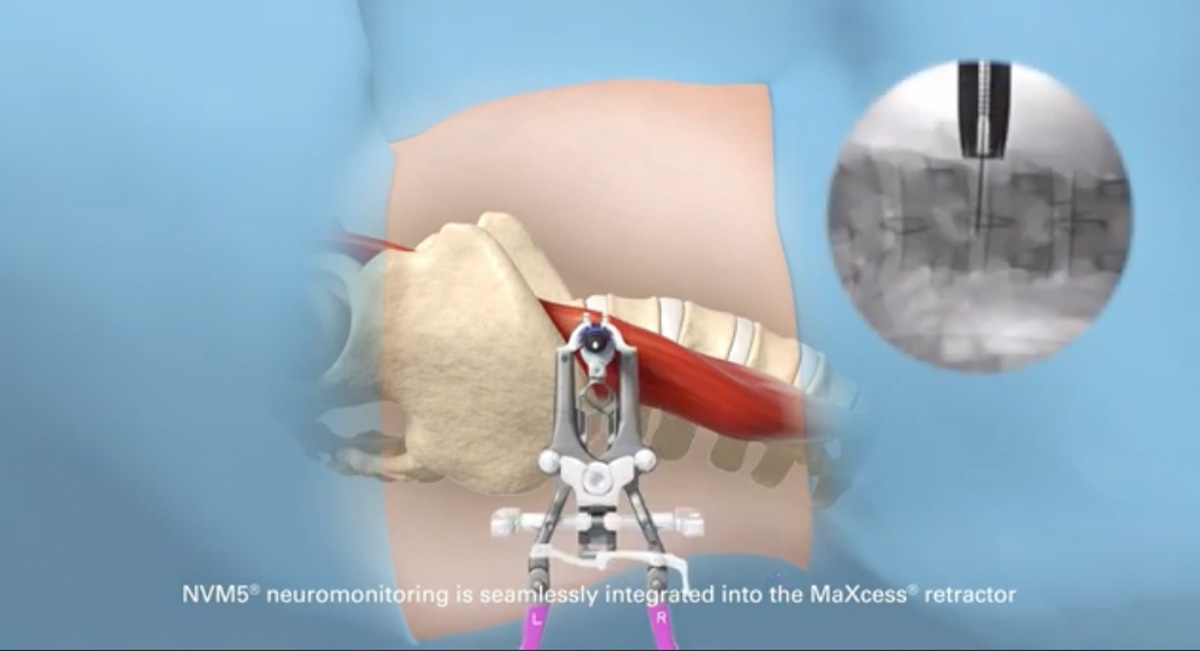
XLIF/DLIF
Extreme lateral and direct lateral interbody fusion (XLIF/DLIF) accesses the spine through the side of your body, avoiding major back muscles. This technique restores disc height and indirectly decompresses pinched nerves. Our surgeons use it to treat degenerative scoliosis, instability, or stenosis, ensuring less postoperative pain and a faster return to function.
Read More

OLIF
Oblique lumbar interbody fusion (OLIF) approaches the spine at an angle in front of the psoas muscle. This corridor reduces the risk of nerve damage while allowing the placement of larger implants for stability. Our surgeons often recommend OLIF when correcting alignment issues, helping you achieve pain relief and improved spinal balance with minimal disruption.
Read More

ALIF
Anterior lumbar interbody fusion (ALIF) reaches the spine from the front, sparing back muscles while enabling the insertion of wide, supportive implants. This technique is particularly useful for treating collapsed discs or instability at the L5-S1 level. Our surgeons perform ALIF to restore height, alignment, and long-term stability, allowing you to regain reliable function.
Tiger Woods’ Back Surgery Explained
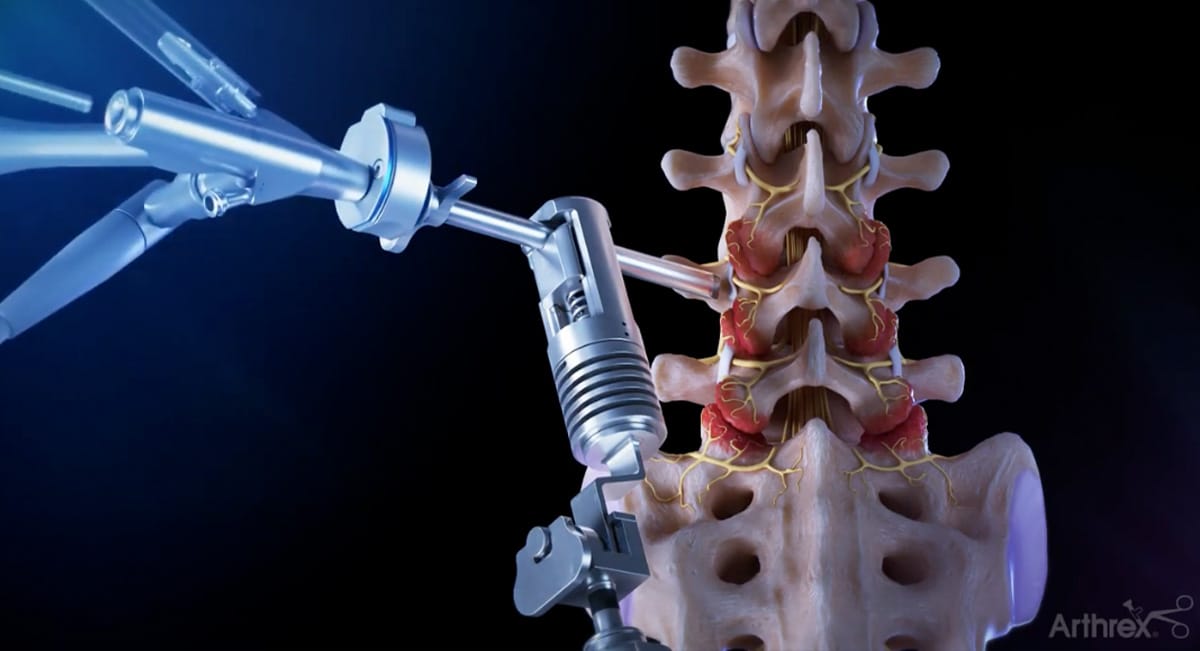
Medial Branch Transection
Medial branch transection is a minimally invasive, endoscopic procedure designed to relieve chronic facet joint pain at its source. Using a small incision and specialized visualization tools, our surgeons precisely identify and sever the medial branch nerves responsible for transmitting pain signals from arthritic joints. By permanently interrupting these signals, this technique can provide longer-lasting relief compared to temporary treatments like injections or radiofrequency ablation. Because surrounding muscles and structures are preserved, patients often experience reduced postoperative discomfort, quicker recovery, and a faster return to daily activities.
Download Patient Guide
LESS DISRUPTION. FASTER RECOVERY.
Minimally Invasive Care for Less Pain and Faster Recovery
Key Benefits of Minimally Invasive Spine Surgery
- Smaller incisions that result in less noticeable scarring
- Reduced muscle and tissue disruption, leading to less pain
- Lower blood loss and decreased risk of infection
- Shorter hospital stays, with many procedures done outpatient
- Faster recovery that helps you return to daily activities sooner
- Preservation of spinal motion and alignment through advanced techniques
- Greater precision and safety with computer-assisted navigation systems
Recovery Timeline After Minimally Invasive Spine Surgery
After minimally invasive spine surgery, you may experience mild soreness around the incision site, temporary muscle stiffness, or localized swelling. You may also experience some fatigue or discomfort during the first few days, which is normal as your body begins to heal. Nerve irritation can occasionally cause tingling or numbness, but these symptoms usually improve over time. Serious complications, such as infection or bleeding, are rare.
Your recovery timeline is often quicker than with open surgery. Most patients walk within hours of surgery, return home the same day or the next, and resume light activities within a week. By four to six weeks, you may feel significant improvement, but full healing will continue for three to six months. Following your aftercare guidelines, such as keeping the incision clean, avoiding heavy lifting, and completing physical therapy, helps ensure a smooth recovery.

First in the Region to Utilize Amplify Technology

RECOGNIZED FOR ADVANCING MINIMALLY INVASIVE SPINE SURGERY

Medtronic Expands Minimally Invasive Spine Surgery Ecosystem with Next-Generation Spinal Technologies
Read More
SETTING THE STANDARD IN MOTION-PRESERVING SPINE SURGERY
Spine Surgery at RSCNY
At Restorative Spine Center of NY, you receive world-class care from our board-certified spine surgeons who are nationally recognized for motion-preserving surgical techniques. Unlike traditional open spine surgery, which often requires large incisions, significant muscle disruption, and long hospital stays, our surgeons’ approach uses smaller incisions and advanced navigation systems as part of minimally invasive spine surgery in Long Island to achieve the same or better results with far less trauma.
What once meant weeks of pain and limited mobility can now often be resolved through outpatient procedures, with recovery measured in days. This shift represents the future of spine surgery: safer, more precise, and more suitable for preserving long-term mobility. At RSCNY, you gain access to tomorrow’s surgical standards today. Schedule your consultation for minimally invasive spine surgery in Ronkonkoma, Garden City, or Paramus, today.